A damp basement has a way of announcing itself gradually — a musty smell that won’t go away, a bit of efflorescence on the foundation wall, or a puddle after a heavy rain that seems to appear out of nowhere. By the time it’s obvious, moisture has often been finding its way in for a while. EMR Epoxy Flooring Corp provides basement waterproofing for homeowners throughout Linden and the surrounding New Jersey area, and this guide covers what causes basement moisture, how waterproofing actually works, and what to expect from the process.
Why Basements Are Prone to Water Problems
Basements sit below grade, which means they’re surrounded by soil that holds moisture after rain and snowmelt. Hydrostatic pressure — the force created by water in the surrounding soil — pushes against foundation walls and floors, finding its way through even small cracks, porous concrete, or gaps around utility penetrations. Add in New Jersey’s mix of heavy seasonal rain and winter freeze-thaw cycles, which can widen existing cracks, and it’s easy to see why basement moisture is such a common issue for homes in the region.
Signs of a Basement Moisture Problem
Musty Odors
A persistent musty smell in the basement, even without visible water, often signals moisture is present somewhere in the space, whether from humidity or a slow, hidden leak.
Efflorescence
That white, chalky residue on basement walls is mineral deposits left behind as water evaporates after passing through concrete, and it’s one of the clearest signs that moisture is making its way through the foundation.
Visible Cracks
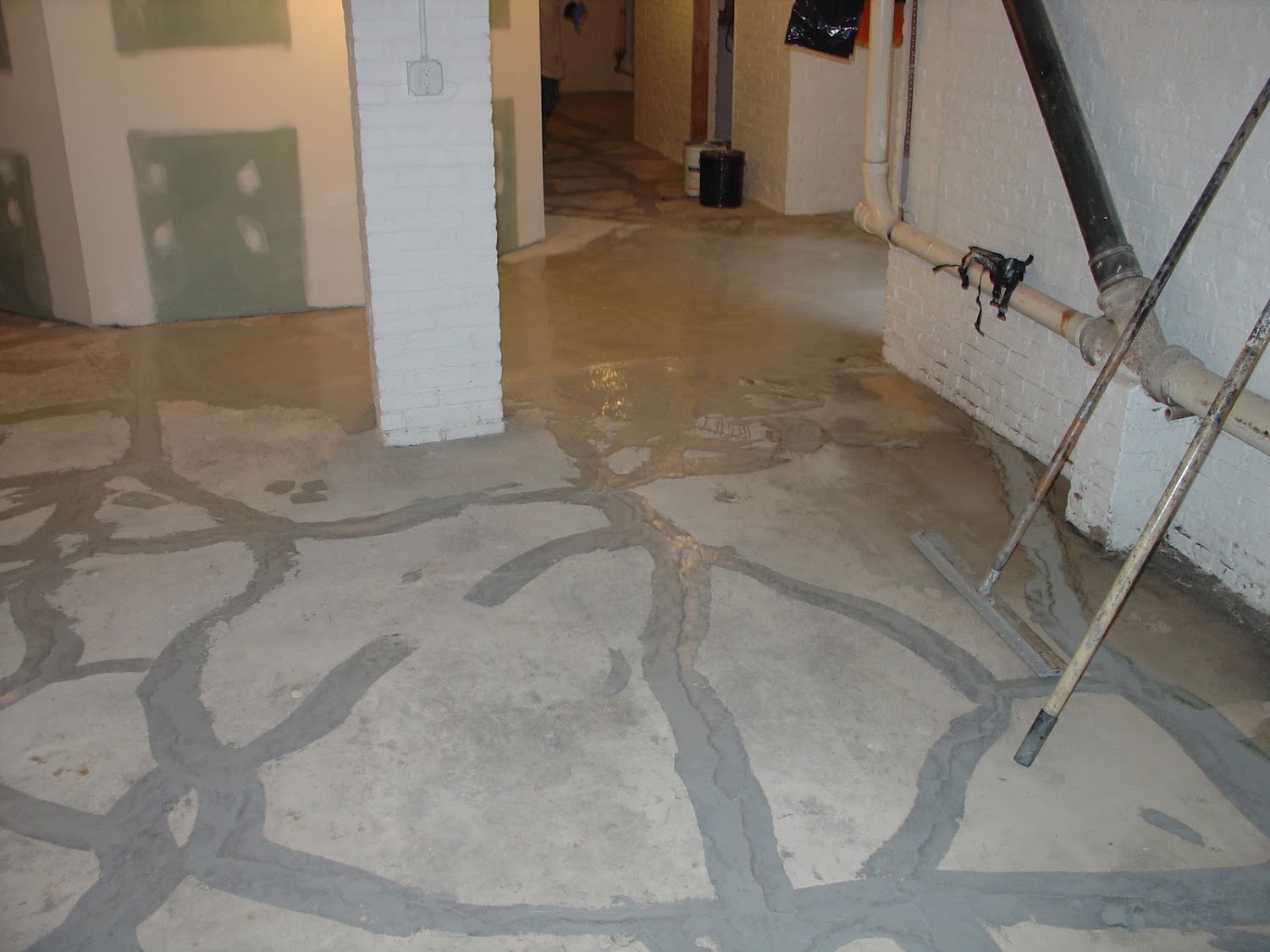
Cracks in the foundation wall or floor, especially ones that seem to be widening over time, create pathways for water to enter and should be addressed before they worsen.
Peeling Paint or Bubbling Drywall
Moisture trapped behind painted surfaces or drywall causes it to bubble, peel, or crumble, which often points to ongoing water intrusion rather than a one-time event.
Standing Water or Puddles
Water pooling on the basement floor after rain is one of the clearest signs that waterproofing measures are needed, whether from a failed sump pump, poor drainage, or foundation cracks.
Basement Waterproofing Methods
Interior Drainage Systems
An interior drain system, often installed along the perimeter of the basement floor, collects water that enters through the foundation and channels it to a sump pump for removal. This is one of the most common and effective solutions for managing ongoing moisture issues.
Sump Pump Installation
A sump pump sits in a basin and automatically pumps collected water away from the foundation, serving as the final step in most interior drainage systems and a critical safeguard against basement flooding.
Crack Injection
For isolated foundation cracks, an epoxy or polyurethane injection seals the crack from the inside, preventing water from continuing to seep through that specific point.
Exterior Waterproofing
This involves excavating around the foundation to apply a waterproof membrane and improve drainage away from the home, addressing moisture at its source rather than managing it after it enters.
Vapor Barriers
Installed on basement walls, vapor barriers help control moisture and humidity even in basements that aren’t dealing with active leaks, improving overall air quality and preventing mold growth.
The Basement Waterproofing Process
- Inspection and Assessment — A technician evaluates the basement to identify moisture sources, existing cracks, and drainage issues, determining which combination of methods will address the problem effectively.
- Detailed Estimate — Based on the assessment, homeowners receive a clear breakdown of the recommended solution, materials, and cost before work begins.
- Preparation — The work area is prepared, which may include moving stored items or protecting the space during installation.
- Installation — Depending on the chosen approach, this may involve installing an interior drain system, sump pump, crack injections, or a combination of methods.
- Testing — Once installed, drainage systems and sump pumps are tested to confirm they’re functioning correctly.
- Final Walkthrough — The completed work is reviewed with the homeowner, along with guidance on system maintenance going forward.
What Affects the Cost of Basement Waterproofing
- Extent of the moisture problem — A single crack injection costs far less than a full interior drainage system addressing chronic flooding.
- Basement size — Larger basements require more materials and labor for drainage systems.
- Method chosen — Interior solutions are generally less expensive than exterior excavation and waterproofing.
- Sump pump requirements — Adding a sump pump, particularly with battery backup for power outage protection, adds to the overall cost.
- Existing damage — If water intrusion has already caused damage to flooring, framing, or finishes, addressing that damage adds to the project scope.
Preventing Future Basement Moisture Problems
- Maintain gutters and downspouts to direct water away from the foundation rather than letting it pool near the home.
- Grade the soil around the foundation so it slopes away from the house rather than toward it.
- Test sump pumps periodically, especially before heavy rain seasons, to confirm they’re working properly.
- Seal small cracks promptly before they widen and allow more significant water intrusion.
How to Choose a Basement Waterproofing Company
- A thorough inspection process — A company that identifies the actual source of moisture, rather than applying a generic fix, addresses the real problem.
- Experience with multiple waterproofing methods — The right solution often combines approaches, so broad expertise matters.
- Clear, itemized estimates — Understanding exactly what’s included in a waterproofing quote helps avoid surprises.
- Warranty on workmanship — A company that stands behind its waterproofing work provides added confidence in the long-term solution.
Frequently Asked Questions
How do I know if I need an interior or exterior waterproofing solution? This depends on the extent and source of the moisture problem. A professional inspection can determine whether an interior drainage system is sufficient or whether exterior waterproofing is needed to address the issue at its source.
Is basement waterproofing a permanent solution? When installed correctly and properly maintained, waterproofing systems can provide long-term protection, though periodic maintenance, such as sump pump testing, helps ensure continued effectiveness.
How long does basement waterproofing take? Interior drainage system installation typically takes one to a few days depending on the basement’s size, while exterior waterproofing, which involves excavation, generally takes longer.
Can I waterproof my basement myself? While minor crack sealing is sometimes a DIY task, comprehensive waterproofing solutions like interior drainage systems and sump pump installation generally require professional expertise to install correctly and ensure long-term effectiveness.
Does basement waterproofing help with mold problems? Yes, addressing the underlying moisture source is one of the most effective ways to prevent mold growth, since mold needs moisture to develop and spread.
Final Thoughts
A damp or leaking basement rarely gets better on its own, and the longer moisture problems go unaddressed, the more likely they are to lead to structural damage or mold growth. Understanding the source of the moisture and choosing the right combination of waterproofing methods gives homeowners a basement that stays dry through every season.
If you’re dealing with basement moisture, EMR Epoxy Flooring Corp provides waterproofing solutions for homeowners throughout Linden, Clark, Edison, Westfield, Woodbridge, and the surrounding New Jersey area.